ADAPTIVE QUIZZES
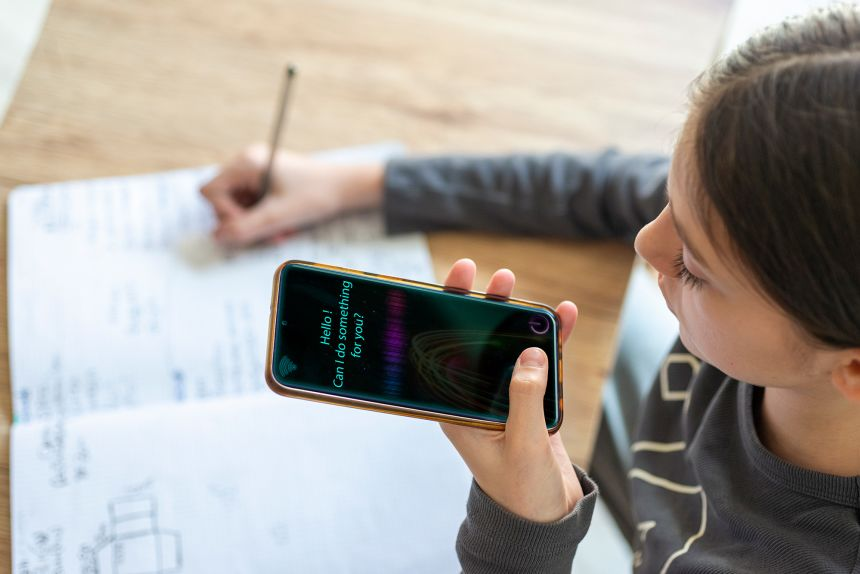
Questions that re-tune.
Difficulty moves with every answer, and each result writes mastery back to your graph.
* AVAILABLE EXCLUSIVELY TO BOSTON UNIVERSITY STUDENTS
Upload a syllabus. Sapling reads your whole course, maps what you already know, and drills only what is slipping. It works from your own coursework, not the open web, and the AI never hands over the answer.
Your syllabus, slides and lecture notes in. A model that knows your course out.
Every concept linked to the ones it rests on, in your professor's own order.
Questions drawn from your material, returning right before you would forget.
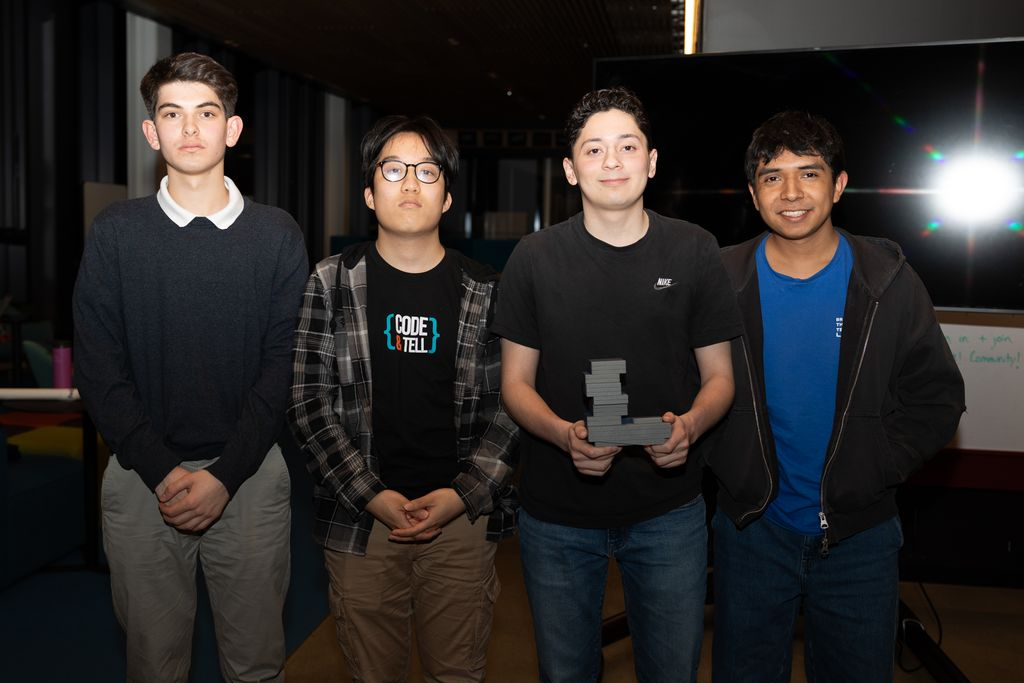
Built by students who were tired of studying blind. Every answer cites the slide it came from, so you can check the source yourself. Free through beta.
Every concept in your course becomes a node. Right now, they're strangers.
Every quiz, note, and card you touch draws an edge. Structure appears.
Your whole semester, one living map, updated as you learn.
DRAG TO ORBIT · CLICK TO EXPLOREAsk ChatGPT for practice and you get generic exercises off the internet, then an empty box again. It forgets. Sapling works only from your class’s material: your professor’s slides, the syllabus, lecture notes.
And every student who adds their documents makes the AI understand the course better. One person’s lecture notes fill a gap in another’s slides, so the model learns what this professor actually emphasizes, how they word questions, which concepts they keep returning to. The more your class contributes, the sharper the context gets for everyone in it.
Never hands you the answer. It asks the question that gets you there yourself.
Explains it straight: structured, sourced from your materials, at your level.
Flips the desk. You explain, and Sapling names exactly where it breaks down.
Every node’s balance factor stays in {−1, 0, +1}. When an insert breaks that, one of four rotations restores it in O(1).
“…so you rotate left when the right side gets too heavy, and, um, the parent just moves downand it’s balanced again…”
The right child becomes the new root, not the parent.
Eight tools covering the whole arc of a course: quizzes and flashcards that test recall, notes and study guides that turn your materials into something usable, a tutor that talks you through what you missed, and a gradebook and calendar that keep the semester honest. Each one writes back to the same graph.
If A v = λ v, what does λ tell you about what A does to v?
Difficulty moves with every answer, and each result writes mastery back to your graph.
Forgot, Hard, Easy: ten minutes, a day, four days. Sapling schedules; you show up.
Write normally. Sapling summarizes, pulls the concepts, and links them to your graph.
Pick a course and an exam. The guide is assembled from your own library, weighted to weak concepts.
If A v = λ v, what does λ tell you about what A does to v?
Difficulty moves with every answer, and each result writes mastery back to your graph.
Forgot, Hard, Easy: ten minutes, a day, four days. Sapling schedules; you show up.
Write normally. Sapling summarizes, pulls the concepts, and links them to your graph.
Pick a course and an exam. The guide is assembled from your own library, weighted to weak concepts.
Socratic, expository, or teachback. It never hands over the solution, it walks you to it.
Upload once. Every exam, pset, and quiz is extracted, dated, and synced to Google Calendar.
Syllabus weights become categories. Every score rolls into a live grade and letter.
Live rooms with chat and a side-by-side graph that shows exactly who knows what.
Socratic, expository, or teachback. It never hands over the solution, it walks you to it.
Upload once. Every exam, pset, and quiz is extracted, dated, and synced to Google Calendar.
Syllabus weights become categories. Every score rolls into a live grade and letter.
Live rooms with chat and a side-by-side graph that shows exactly who knows what.
Fair question, and the one we get most. Sapling exists because we think AI should deepen understanding, not replace it. Here’s where we stand.
No, because Sapling never hands you the answer. It guides you toward the understanding: Socratic questioning, explanations you have to apply yourself, and TeachBack, where you do the explaining. Using Sapling is like having a tutor, not a ghostwriter. The work, and the learning, is still yours.
It won't, by design. Answer engines hand over the solution; Sapling walks you through the process and adapts to how you learn. If you paste a homework problem, expect guiding questions, not a finished answer to copy.
A general chatbot forgets you the moment you close the tab. Sapling maps what you know, remembers what you struggled with, schedules reviews before you forget, and grounds itself in your actual course materials. It's a study system, not a conversation.
We built Sapling to make you less dependent over time. Mastery only turns green when you can demonstrate understanding, and TeachBack literally requires you to explain concepts yourself. The goal is that you walk into the exam without us.
They stay yours. Uploads, notes, and messages are encrypted at rest (AES-256), used only to build your graph and study materials, and never sold or used to train outside models. Delete a document and its data goes with it.
Sapling is a study aid, the same category as flashcards, tutoring, or a study group. It doesn't produce submittable work. That said, every course sets its own rules, so check your syllabus; our stance on academic integrity is in the Journal.
Nothing during beta. Beta testers get every feature free while we build, and a say in what we build next. Join the list below and you're in line.
It can, which is why Sapling grounds answers in your uploaded course materials and shows its reasoning instead of just a verdict. You stay the judge. Spot an error? Flag it in one click and the tutor corrects course.
Why we built it, where it’s headed, and what we’re learning about learning, written by the four of us, once a month.
One letter a month while we build. First in the inbox, first on the tree when beta invites go out. No spam. We’re students too.
Join students who learn smarter, not harder.